Study of the effects of traditional Carlsbad drinking treatment #PijuPrameny
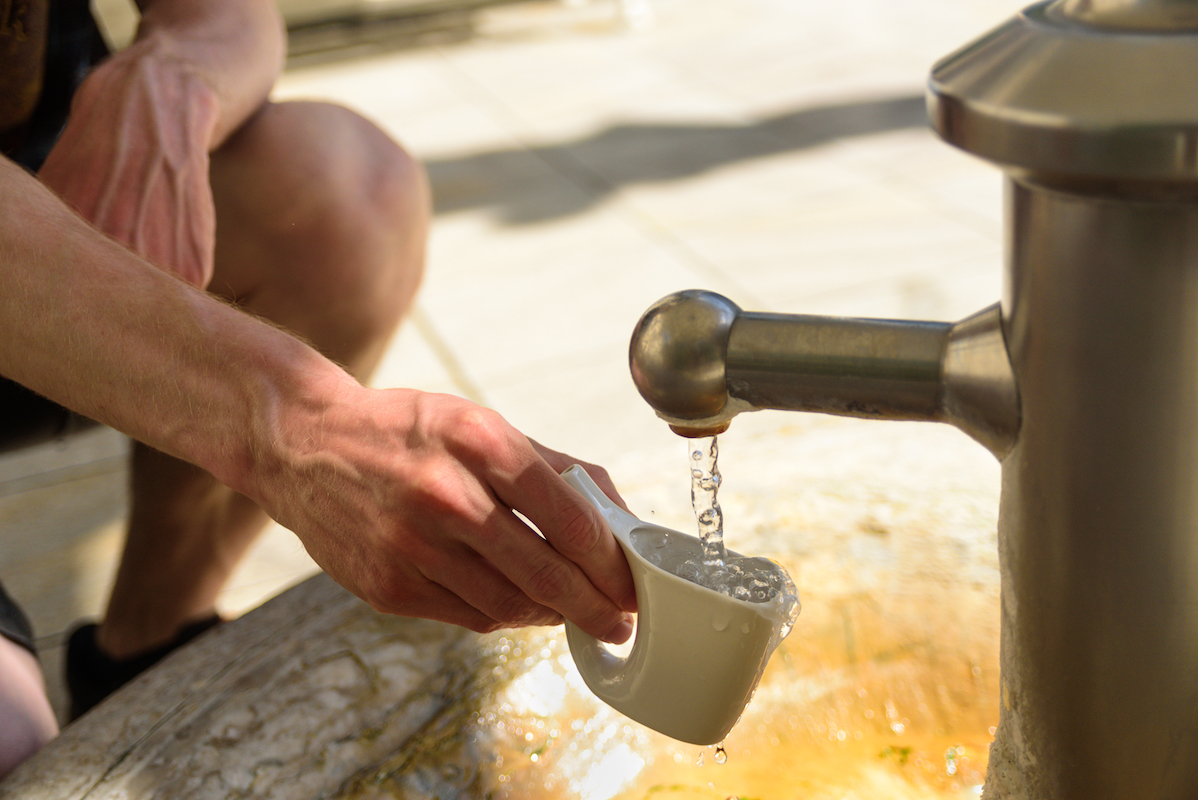
It is a verification of the effectiveness of the traditional Karlovy Vary drinking treatment with hot mineral springs, in which the inhabitants of Karlovy Vary participate.
Why?
As part of the #PijuPrameny event, the Institute of Spa and Balneology prepared a study in cooperation with the INFOCENTRE OF THE CITY OF KARLOVY VARY, z.ú., which monitors changes in laboratory values and liver elasticity tests in 80 participants of a three-week drinking cure.
What?
The aim of the research study is to objectify the effectiveness of traditional drinking cure with Carlsbad bicarbonate-chloridosulphate-sodium springs, both on the improvement of subjective digestive disorders of the patient, as well as by quantitative determination of lipid parameters and determination of liver elasticity - before and after 21 days of drinking cure.
How?
It is a verification of the effectiveness of the traditional Karlovy Vary drinking treatment with hot mineral springs, in which the inhabitants of Karlovy Vary participate. Specifically, the study focuses on patients with indications III - Diseases of the digestive system and IV - Diseases of metabolic and endocrine disorders. The treatment program under consideration lasts 3 weeks and is based on a drinking cure using warm Karlovy Vary springs, which are prescribed by a balneologist during the initial examination based on an assessment of the patient's health condition. The research study was approved by the Ethics Committee of the University Hospital Pilsen.
What does this mean for the application sphere?
The results of the study suggest that drinking treatment with Carlsbad springs has the potential to generate a positive effect on hepatic steatosis. It is important to consider that liver steatosis can lead to more serious conditions such as steatohepatitis, cirrhosis, and even liver cancer. Therefore, an approach to the prevention and treatment of this condition is crucial.
Current progress
In 2023, 50 participants (31 women, 19 men, mean age 57 years) were included in the study. Hepatic steatosis was diagnosed in 68% of the participants, with 24% having grade 3 steatosis. After three weeks of drinking therapy, there was a significant decrease in the degree of steatosis and CAP parameter and a non-significant decrease in liver elasticity.
The study was followed up in 2024 with 46 participants (19 women, 27 men, mean age 58 years), this time exclusively with diagnosed steatosis (24% grade 3). The results confirmed a significant decrease in steatosis grade, CAP and body weight, accompanied by a non-significant decrease in liver elasticity.
The results of the 2024 study were presented at the Paris MASH Meeting 2024 and the full results are included in a peer-reviewed article currently under review.
Responsible for the project